

Earth Law Center Blog
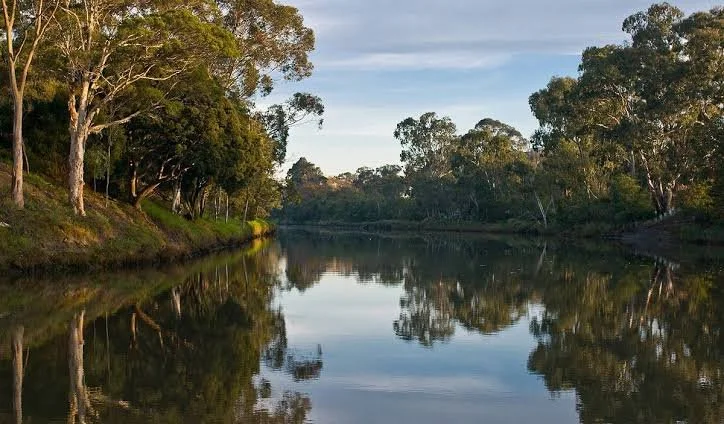
Rights for Rivers: Summary of Articles from New Special Issue Journal
The Rights of Nature, and in particular the rights of Rivers, have attracted growing academic interest in recent year. This increased attention is evidenced by Journal of Property, Planning and Environmental Law’s special issue, “Rights for Rivers,” edited by Dr. Luke Bennett. The publication includes six articles on the theoretical and actual implications of rights for rivers. These include:
Kellianne Elliott et al. assert that rivers can have rights without the obligations of duties
Souad Ezzerouali et al.’s analysis of the intersection between the Rights of Nature movement and Islamic tradition
Oluwabusayo Temitope Wuraola’s argument that the rights and personhood of rivers must be recognized
Ebba Hooft Toomey and Tineke Lambooy’s survey of globally legally living rivers
Francine Rochford’s Australian case studies demonstrating the fallibility of human representatives for rivers
Angela María Sánchez-Alfonso and Rana Göksu’s call for the Rights of Nature movement to endorse grounded ways of knowing
From Constitution to Code: How New York Municipalities Can Use the Green Amendment
This guide explains what the New York Green Amendment adds to environmental protection possibilities in New York State (NYS), where municipal authority permits action, and how existing environmental programs offer practical models. It closes with a drafting checklist to help local lawmakers turn those lessons into workable, legally defensible ordinances that protect New Yorkers while courts continue to define the Amendment’s reach.
Assessing the Impact of the Inter-American Court of Human Rights’ 2025 Climate Advisory Opinion
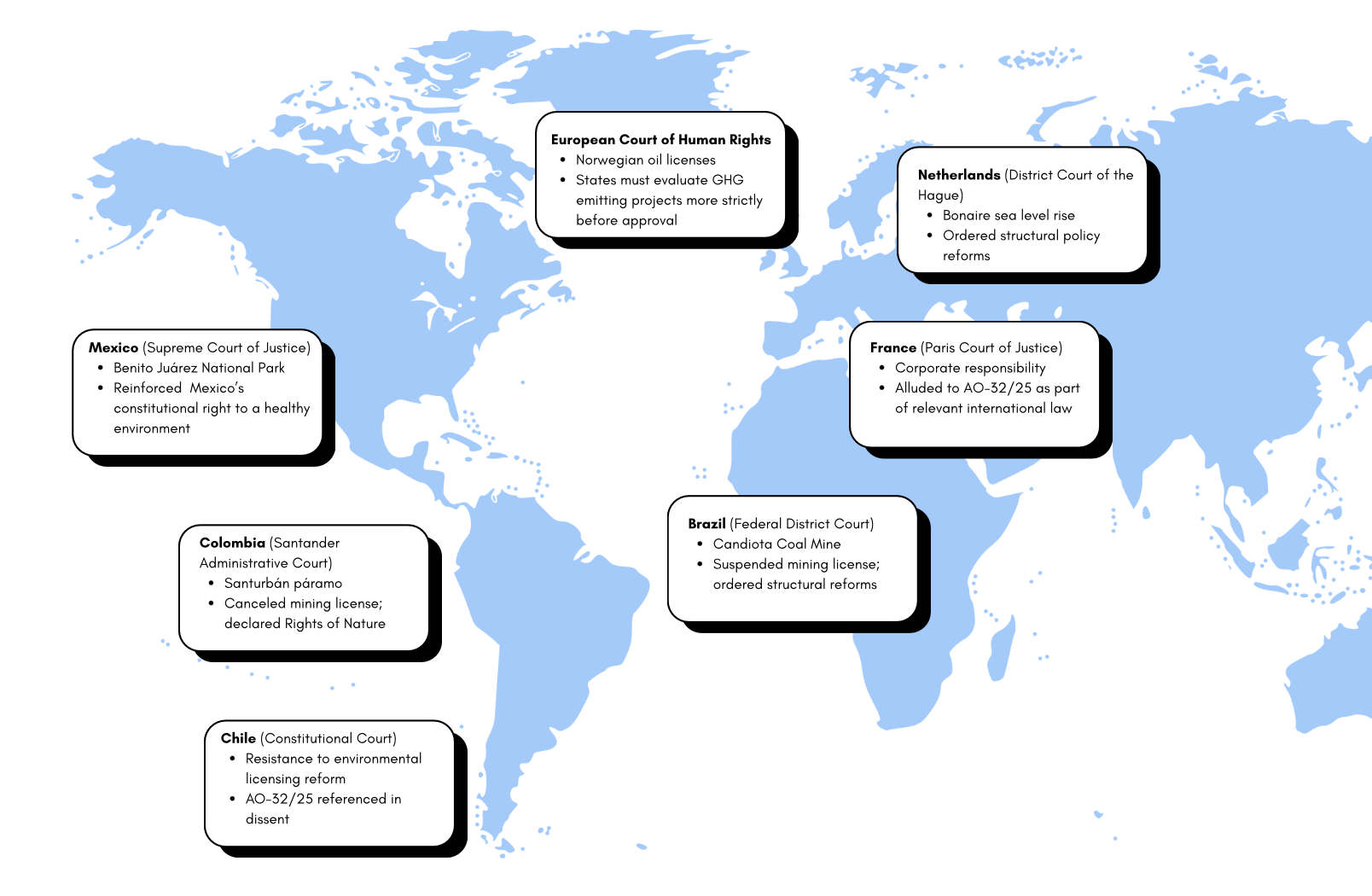
This article examines seven cases to assess how OC-32/25 has been absorbed into domestic and regional jurisprudence in the past year. Within the Inter-American system, these cases occurred in Colombia, Chile, Brazil, and Mexico. And beyond it, they took place in the European Court of Human Rights, the Netherlands, and France. These decisions engage the opinion across three main lines: the recognition of Nature as a subject of rights, due diligence and greenhouse gas (GHG) mitigation obligations, and access to justice. Together, they show that OC-32/25 is being received as a key piece of converging international law on the climate emergency.
Reciprocity with Nature: Understanding the Concept and Enacting It at the Local Government Level
Local governments can enact reciprocity with nature by adopting new zoning ordinances that would require a review by the applicable zoning, planning, or Town board of how a proposed development project incorporates, protects, and enhances a reciprocal relationship with nature. Such a review could include the use of a reciprocity with nature "scorecard" that enables local officials to more formally evaluate how reciprocity with nature is being addressed, if at all, in applications for zoning and planning approvals. You can get a more detailed look at how a municipality can enact zoning legislation to require such an evaluation in project reviews by reading the Reciprocal Zoning Concept Note and Template we created, which includes a model Reciprocal/Nature Scorecard.
Health Equity and Ecocentrism: A Literature Review
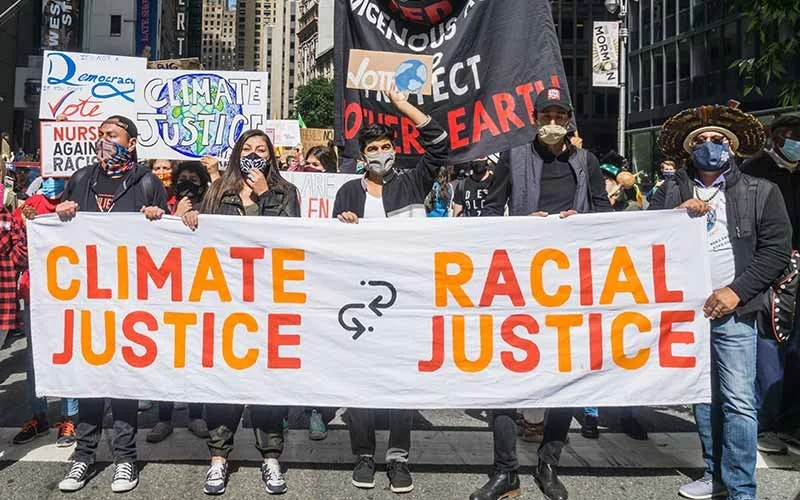
In this article, we detail the birth of the term “health equality/equity,” look at social and ecological determinants of health, consider certain Indigenous perspectives on health and health equity, and propose an ecocentric approach to the study of health.
The Atrato River Was Given Rights: What Happened Next?
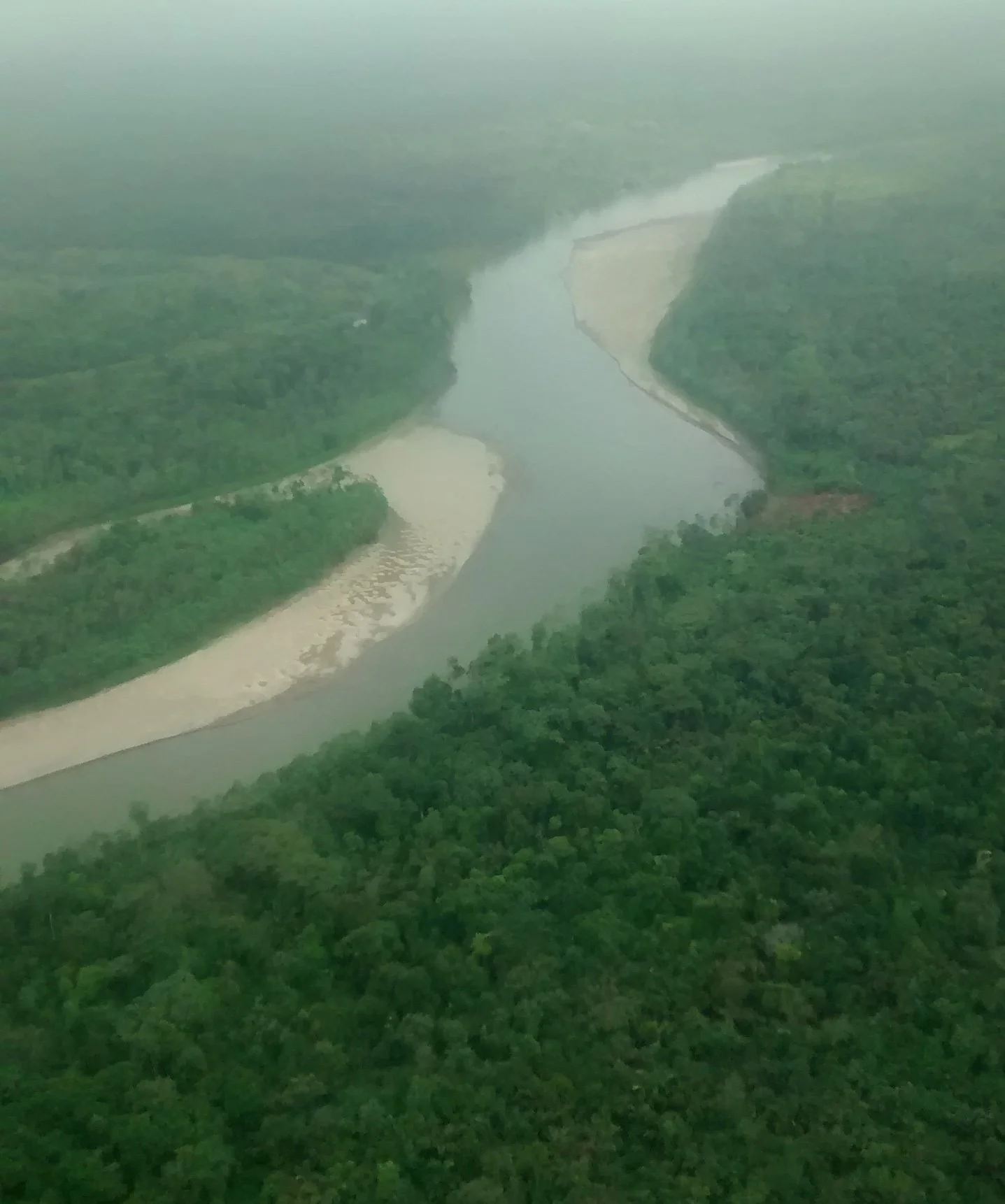
Colombia’s Atrato River ruling of 2016 was celebrated globally as a landmark victory for Rights of Nature. Yet, a decade later, the river’s experience poses a difficult question: what happens after recognition? Illegal gold mining continues to contaminate its waters with mercury, threatening biodiversity and human health. Armed groups remain active in parts of the basin, complicating governance and enforcement. And communities who depend on the river continue to face environmental degradation. The Atrato case shows that legal recognition raises equally important questions about how those rights are implemented in practice.

Can Ukraine Charge Russia With Ecocide?
The destruction of Kakhovka Dam is at the center of a growing push to charge Russia with crimes related to the devastation of Ukrainian ecosystems during its invasion. While there are various international legal conventions that seek to limit environmental destruction during wartime, the Ukrainian situation is of a different kind rather than degree. Legal experts have argued that Russia’s actions reach the level of ecocide—a theoretical crime never before charged or tried by the International Criminal Court (ICC) in the Netherlands. This post explores Ukraine’s national ecocide law and its efforts, with other nations, to bring ecocide into the international conversation, with the goal of adding it to the Rome Statute.

ELC's Anne Solgaard on Nature Joining the Board at Norwegian Outdoor Apparel Company Northern Playground
ELC summer intern Raphael Nahon interviews ELC Nature Governance Business Development Associate Anne Solgaard about Norwegian outdoor apparel company Northern Playground (NP) appointing Nature to its Board of Directors. Solgaard discusses the process at NP as well as how she came to get engaged with the idea of Nature on the Board, where other interested companies can start, why much of the initial Nature on the Board activity has been in Europe, and more.

From Law to Culture: Strengthening Rights of Nature Through Tourism Policy
As global travel increases, integrating visitor compliance into Rights of Nature enforcement strategies is a logical and impactful next step. These efforts would help ensure that environmental protections are not only enshrined in law but also respected in practice—by everyone who sets foot in a country that honors Nature’s rights. It also creates an opportunity to significantly build awareness of the movement with millions of visitors.
Small Island Developing States at International Climate Conferences: A Two-Step Approach to Advocacy
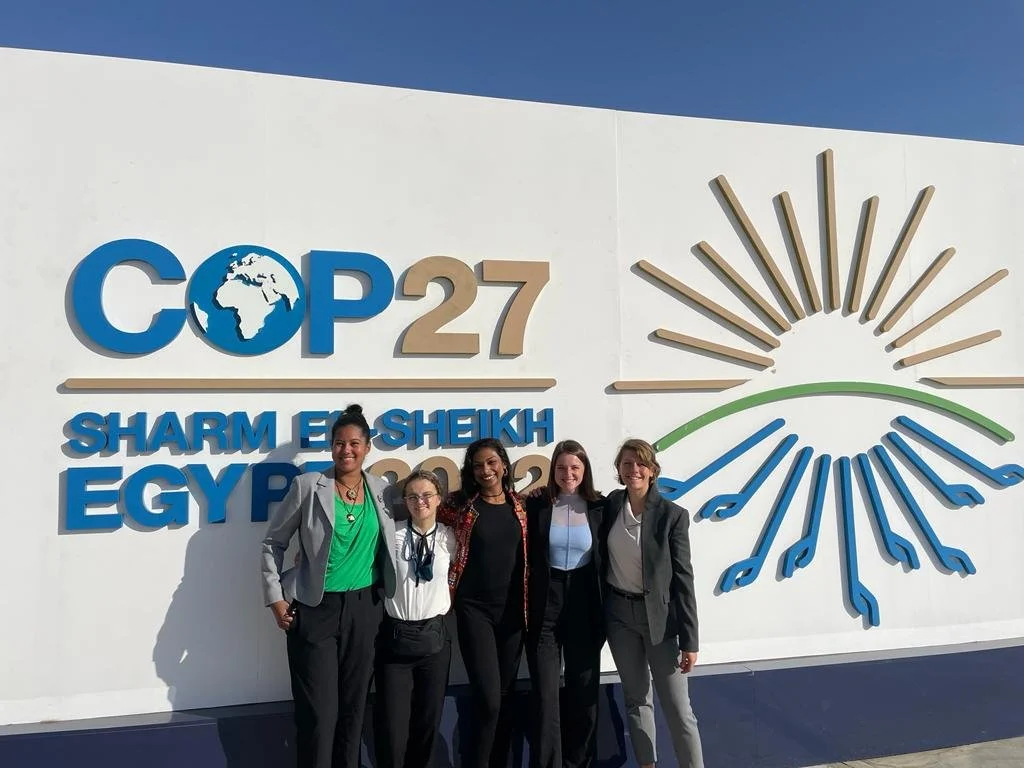
Small Island Developing States (SIDS) are among the most vulnerable nations to climate change, yet they often have inadequate capacity to staff their teams for international climate negotiations. In this article, American attorney Hope McLellan-Brandt details her experience working for Palau’s climate team at three such conferences and details the philosophy of advocacy she developed from the experience. At its core is deep listening to those at the front line of climate change.

Pacha Mama vs. the State: Assessing Judicial Development and Implementation Challenges of the Rights of Nature in Ecuador
In 2008, Ecuador became the first country in the world to recognize the inherent Rights of Nature (RoN) in its national constitution. The change came through a constitutional referendum that recognized Pacha Mama—Mother Earth—as a legal subject, capable of being represented in court and protected by enforceable rights. Today there are over 600 initiatives around the world using RoN frameworks to advance environmental protections, and Ecuador has inspired many of these initiatives. Eighteen years on from its historic constitution, however, the country also demonstrates how challenging it can be to achieve meaningful RoN implementation.

Inside Earth Law Center’s Work Advancing the Constitutional Right to a Healthful Environment in New York
Chiara Grimes interviews Earth Law Center New York Ecocentric Law Fellow Maria Florencia Pérez about the organization’s initiative to help New York municipalities implement the state’s Green Amendment — its constitutional right to a healthy environment — passed by voters in 2021.
Steps to Integrate Earth Law into Your Career
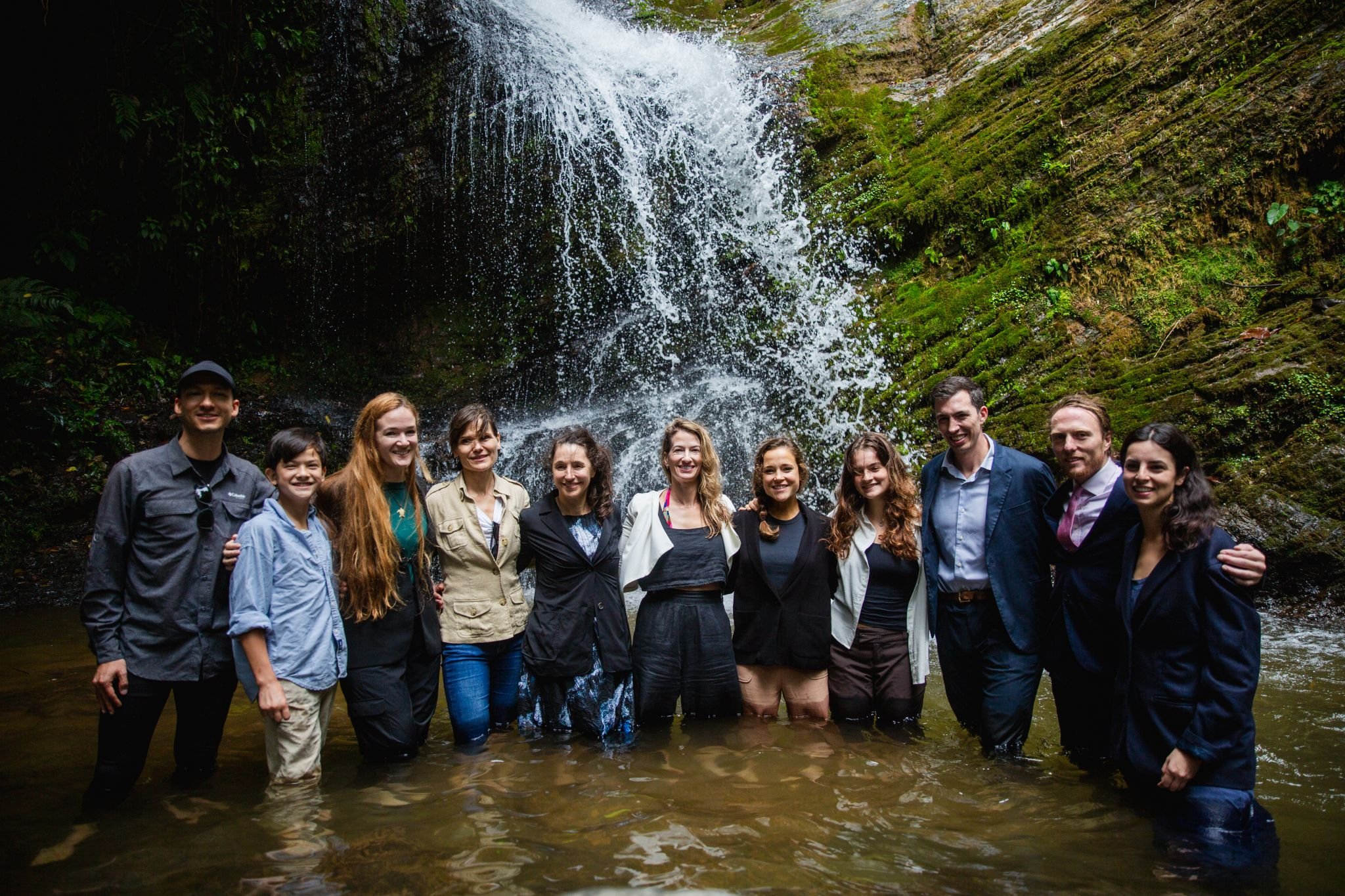
Are you intrigued by Earth law but not sure what to do? Maybe you attended the Earth Law Summer Course, had a university lecture on the Rights of Nature, or have been doing your own research. While opportunities for full-time “Earth lawyers” are limited for now, there are many other ways to make a difference, including small steps you can take to test out integrating Earth law into your career or volunteer time.

Decades in the Making, the High Seas Treaty (BBNJ) Is Now Binding: What Happens Next?
The High Seas Treaty (BBNJ) represents a turning point for Ocean governance—but its success depends on what happens next. As nations prepare for the first Conference of the Parties (January 2027), they have a rare opening to shape domestic legislation that doesn’t just comply with the treaty's requirements but goes further, embedding Earth law principles into the governance of marine ecosystems. Whether that promise is realized will hinge on institutional capacity, political will, and the frameworks states choose to build now.
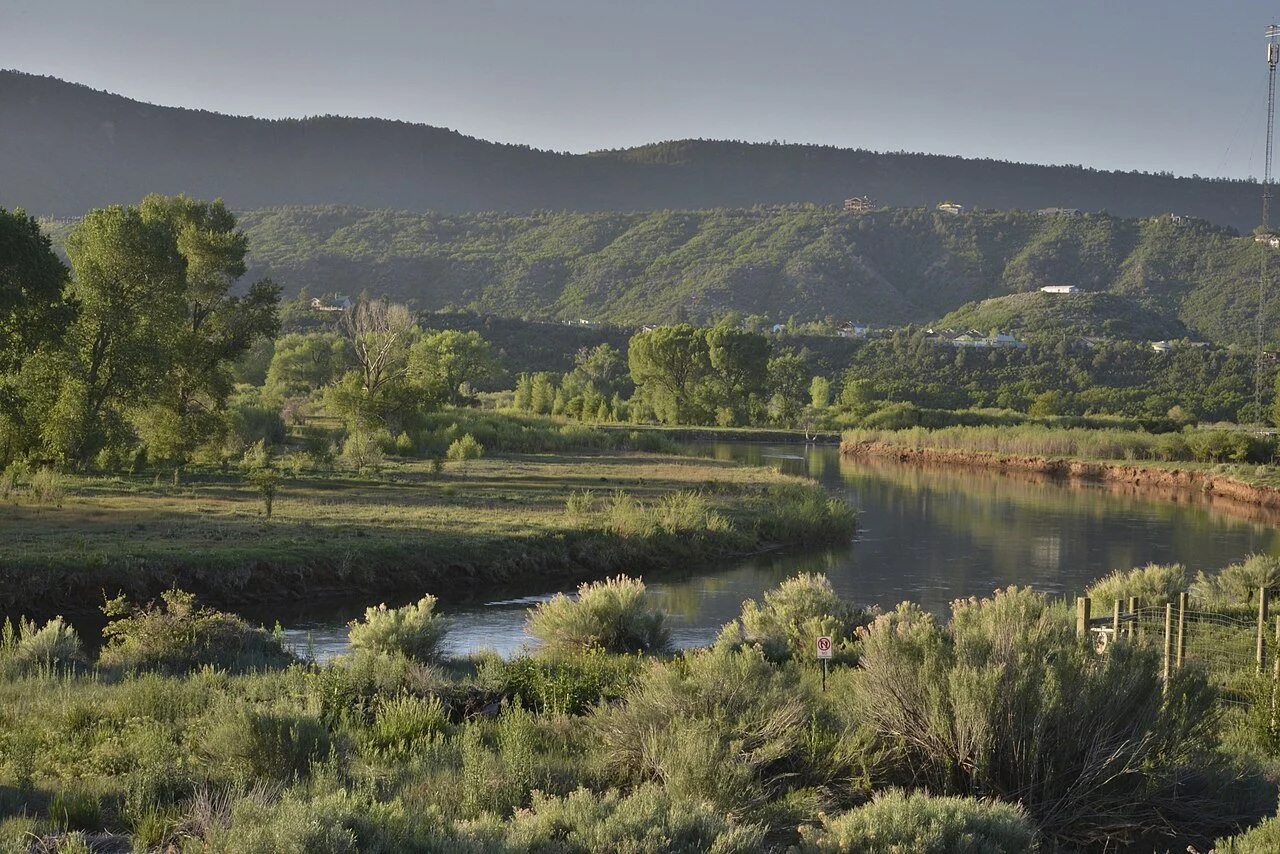
Rights of the Animas River: Reflections from Colorado Student Advocates Who Helped Achieve River Rights Resolution
The Animas River begins high in Colorado’s San Juan Mountains and runs 126 miles south before joining the San Juan River in Farmington, New Mexico. Along the way, it moves through alpine forests, narrow canyons, agricultural valleys, and the city of Durango. In Fall 2025, the authors and other students in a sociology course on water justice at Fort Lewis College in Durango had the opportunity to shift how the Animas is understood in local governance. They developed and presented a Rights of Nature resolution to the Durango City Council, which passed unanimously in November 2025.

Policy and Cultural Support for a Healthy Environment: How Is Your Town Managing Organic Waste?
The New York Green Amendment represents an affirmative backdrop for local governments to enact laws designed to implement its goal of providing all New Yorkers with a comprehensive right to a clean and healthful environment, and Earth Law Center (ELC) has been working with New York municipalities to explore such possibilities. Organic waste management is an area where Green Amendment rights, though not a prerequisite for local policy and action, can draw communities into thinking about and acting on their desire for a healthy environment in ways that develop culture and awareness of the right to a healthy environment.

A Conversation with Lindsay Branham, Author of New Book “Heartwood: The Wisdom and Healing Kinship of Trees”
Lindsay Branham is an environmental psychologist, Emmy-nominated filmmaker, and founder of NOVO and The Heartwood Institute, initiatives that address ecological and human rights crises through film, culture, and community engagement. Her work explores how humans can restore a sense of kinship with the living world, weaving together environmental psychology, storytelling, spirituality, and ecology. ELC has been collaborating with Lindsay on initiatives related to the rights of rivers and broader efforts to reimagine our legal and cultural relationship with nature.
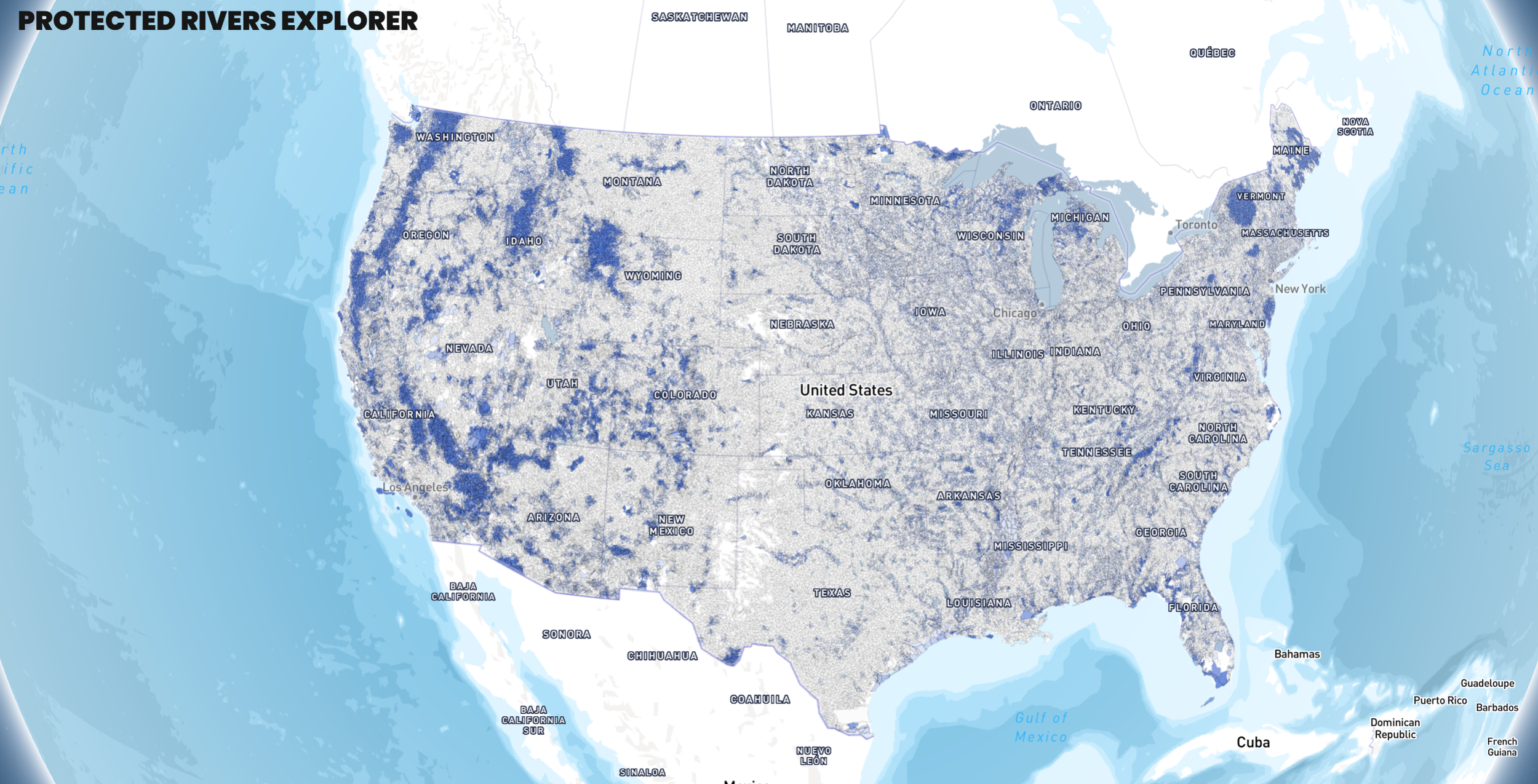
Closing the U.S. River Protection Gap through Earth Jurisprudence
A 2026 study published in Nature Sustainability reveals a startling statistic: only 11.7 percent of river lengths in the contiguous United States are adequately protected. Meanwhile, less than 19.3 percent of American waterways are protected at a level deemed viable by the National Protected Rivers Assessment of the United States. This article details contemporary river protections, investigates their inadequacies, and explores how Rights of Nature frameworks could improve watershed protection in the U.S.

Verte Volar: An Homage to Ancient Pollinators
"Verte Volar" is a new composition that honors the sacred relationship between humanity and stingless bees through an interdisciplinary partnership bridging science, law, ecology, poetry, and Indigenous ancestral knowledge. This spoken word and musical piece emerges from an unprecedented collaboration between Indigenous wisdom keepers, scientists, legal advocates, artists, and educators, weaving together diverse ways of knowing into a unified homage to Amazonian stingless bees. It was created by Carine Gibert, founder of Grounded In Motion, composed with Jacinta Clusellas, and produced by Benjamin Furman.
Ocean Rights and International Law: Five Things to Watch in 2026
With the RoN movement gaining momentum in Ocean governance, here are five of the most exciting Ocean-related developments to keep an eye on in 2026:
The entrance into force of the High Seas Treaty (BBNJ)
International Seabed Authority negotiations about deep-sea governance
Coral reefs rights developments
Lawsuits from Ocean guardians using Advisory Opinions in different courts
The Republic of Panama continues leading the way in Ocean protection