
Policy and Cultural Support for a Healthy Environment: How Is Your Town Managing Organic Waste?
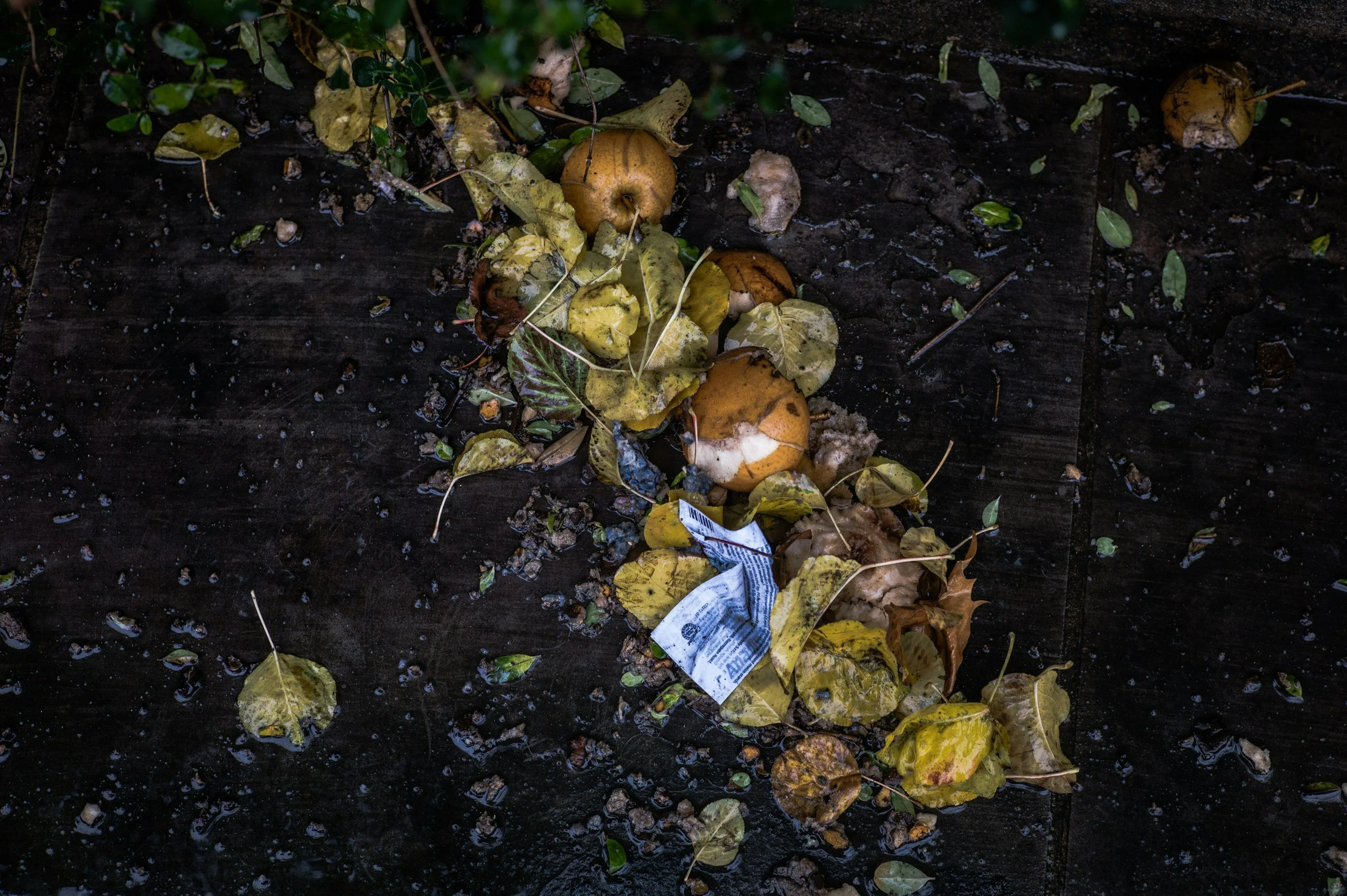
In 2021, New Yorkers overwhelmingly voted to amend the State Constitution to include broad environmental rights. The Constitution now contains the guarantee, “Each person shall have the right to clean air and water, and a healthful environment.” (See the New York Constitution, Article 1, Section 19 of the New York Bill of Rights; see also Pace University Law School’s resource page on the New York Green Amendment.)
This “Green Amendment” represents an affirmative backdrop for local governments to enact laws designed to implement its goal of providing all New Yorkers with a comprehensive right to a clean and healthful environment, and Earth Law Center (ELC) has been working with New York municipalities to explore such possibilities.
Organic waste management, to take one example, is an area where Green Amendment rights, though not a prerequisite for local policy and action, can draw communities into thinking about and acting on their desire for a healthy environment in ways that develop culture and awareness of the right to a healthy environment.
Organic waste management is a growing environmental challenge for municipalities, as food scraps, yard trimmings, and other biodegradable materials contribute significantly to the waste stream. One effective solution is composting—a form of organic recycling that transforms waste into nutrient-rich soil amendments.
By implementing composting programs, towns can divert large quantities of organic waste from landfills, which reduces greenhouse gas emissions and the costs associated with waste disposal. The compost produced can be applied locally to gardens, parks, and agricultural lands, returning valuable nutrients and carbon to the soil. This process improves soil health, supports plant growth, and strengthens the resilience of local ecosystems.
From a municipal governance perspective, composting initiatives are practical, low-cost sustainability strategies that offer opportunities for community engagement through education, volunteer programs, and incentives for residents and businesses to participate. By expanding organic waste management, towns foster cleaner, healthier communities and contribute to broader climate and soil conservation goals.
Below are three examples of initiatives that can be used as reference points when looking to expand composting and organic waste management.
The City of Albany, NY
Albany, New York, has partnered with several full-service food waste composting services to provide free pick-up receptacles and create the Albany Composts Program. Residents pay a small monthly fee to have their kitchen food scraps picked up.
The food scraps are transported to be processed and turned into compost by either of these two local companies:
Radix Ecological Sustainability Center’s Community Composting Initiative is a weekly residential curbside food waste collection service, which uses solar-charged electric cargo bicycles and tricycles. It has a fee of $20 per month per 2.4 gallon container.
FoodScraps360 is a local residential and commercial food waste collection company. It offers one free 40 lb. bag of compost back to its customers each spring, has a list of what waste it processes, and the fees are under $30 per month.
ReWild Long Island
ReWild Long Island promotes sustainable landscaping and provides education and tools for residents of Long Island communities to replace sterile conventional monocultures with wildlife-friendly natives and organic gardens. As part of this effort, it started a composting initiative, in which it offers workshops and promotes in-house solutions, such as composting on the ground, in composters (which they also sell for $60 to $230), or with countertop recyclers.
Leave Leaves Alone

All too often, bags of leaves end up rotting in landfills—pushing perfectly good habitat-building and composting material into the municipal waste stream. Leave Leaves Alone is an initiative, created in the town of Bedford, NY, that promotes allowing leaves to remain in place where possible. Removing leaves strips essential nutrients from the soil and eliminates crucial winter habitat for hibernating beneficial insects, which play a vital role in our ecosystems and serve as important food sources for birds. Where not possible, such as most lawns, it promotes “mulch-mowing” as an environmentally friendly approach to reduce the use of fertilizers, leaf-blowers, and other methods that are more costly (not only for the individual but also for the government) and polluting.
To support its work, Leave Leaves Alone shares data about health, climate, and other impacts of leaf-blowing; guidance for individuals and professionals on how to mulch; and appropriate gardening tools.
Some considerations should be made in areas where fallen leaves are prone to block pipes or drains, but if properly done, and depending on the amount of leaves accumulated, it can make for a healthier landscape for humans and nonhuman creatures alike.
General Recommendations
Lastly, here are some recommendations to create an effective plan to expand organic waste management in your municipality:
Before implementing any initiative, measure and understand the areas where organic waste is produced and disposed of.
Identify and create partnerships with local NGOs or small companies that work with gardening, farming, educational institutions, or waste treatment to collaborate on the initiative.
Test the initiative or system in a small area of the community so as to check its effectiveness and gather data for potential partners and funders.
Reduce the amount of compost flowing into waste treatment facilities by encouraging community members to compost in their own yards.
Organize meetings and gatherings across different neighborhoods to involve residents in testing and shaping community ideas. This participatory approach not only helps people influence local decision-making but also encourages neighbors to connect. Research shows that such interactions directly enhance socialization, improve health outcomes, and reduce feelings of loneliness.
If you want to know more about ways to do this work, check out ELC’s Green Amendment Toolkit, our webpage on the NY Green Amendment, or send an email to mfperez@earthlaw.org.