

New York State’s Constitutional Right to a Healthy Environment
-
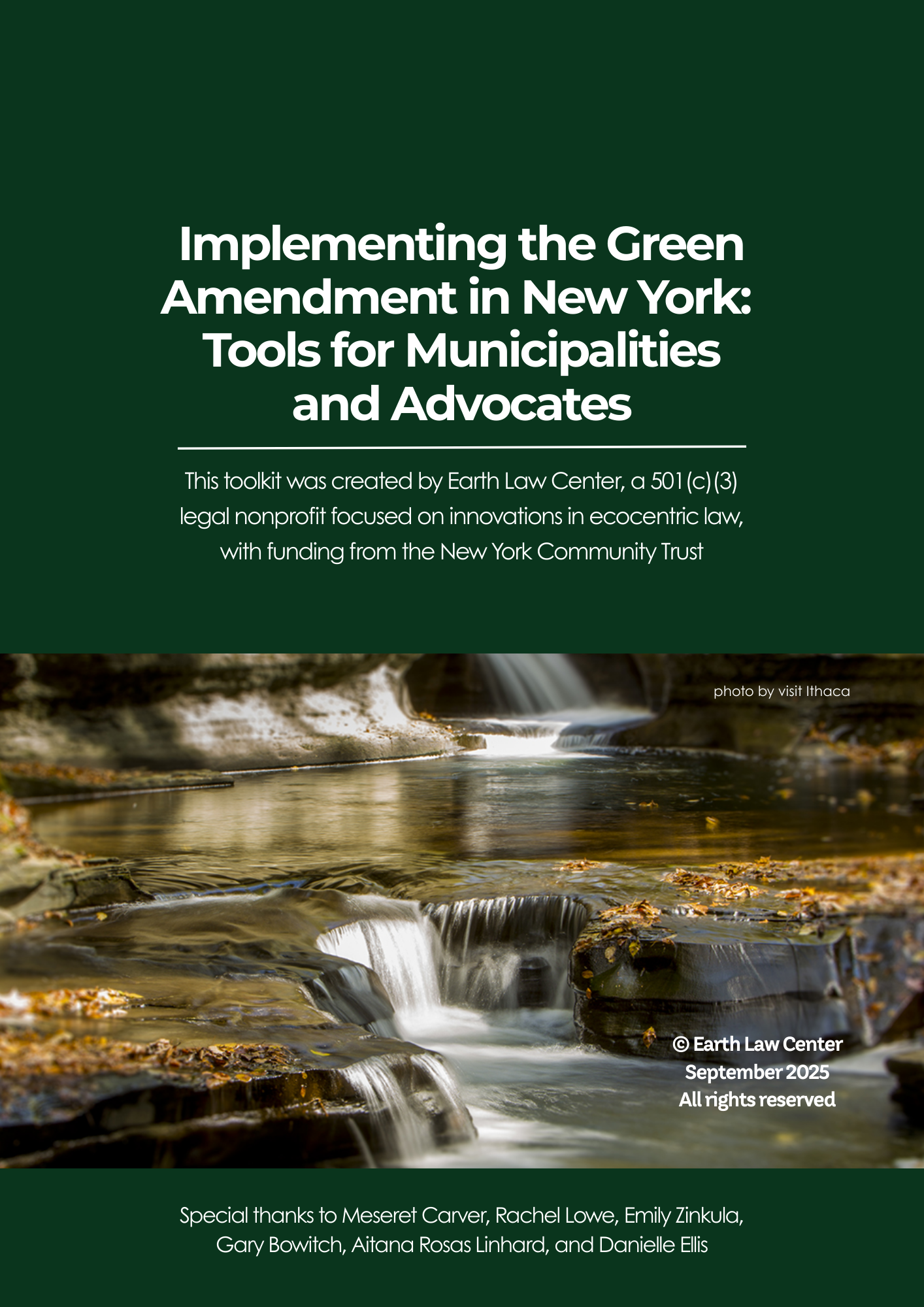
Download our toolkit for municipalities and advocates seeking to implement the New York Green Amendment
The Green Amendment: A Landmark Victory
for Environmental Rights
In 2021, New Yorkers overwhelmingly voted to add environmental rights to the State Constitution. Article I, Section 19 of the New York Bill of Rights now guarantees, “Each person shall have the right to clean air and water, and a healthful environment.”
Advocates envision this “Green Amendment” — part of a national and international movement of such laws — as a tool to address environmental and racial injustice, improve public health, and challenge governmental inaction. We believe it is an important lever to begin shifting environmental decision-making away from the exclusive interests of industry and toward people, communities, and the Earth for current and future generations.
The meaning and power of the New York Green Amendment will evolve through judicial interpretation, shaping whether and how state and local governments uphold these rights.
The Challenges Ahead
Because the Green Amendment is a relatively recent addition to the New York Constitution, base law addressing its scope is limited, and courts have thus far been cautious in outlining the parameters of its application.
While the Amendment’s true strength will become clearer in the coming years, several patterns have already emerged:
No retroactive reach: Courts have held that the Green Amendment does not apply to actions or projects predating its 2022 enactment.
High bar for violations: Challenged activities must significantly contribute to unclean air, unsafe water, or an unhealthful environment. But courts have not yet defined what qualifies as “significant.”
SEQRA deference: Courts hesitate to apply a separate Green Amendment analysis when a project already undergoes review under the State Environmental Quality Review Act (SEQRA).
No claims against private actors: Courts have ruled that the Amendment cannot be used directly against private entities, even those operating under state permits.
Debate over enforceability: Some courts view the Amendment as a self-executing substantive right—immediately enforceable without additional legislation. Others interpret it more narrowly, arguing it does not automatically create such a right.
These uncertainties underscore a critical truth: the full potential of the Green Amendment is still unfolding.
Local Action to Realize Constitutional Rights
While judicial interpretation develops, local governments do not need to wait. Municipalities can act now by adopting proven ordinances and piloting innovative policies that protect public health, advance environmental justice, and model the transformative promise of constitutional environmental rights.
By integrating environmental protections into planning, permitting, zoning, enforcement, and community health strategies, municipalities can demonstrate how the Green Amendment can shift governance toward prevention, equity, and long-term ecological wellbeing.
Empowering Municipal Leadership
Although the Green Amendment provides New Yorkers with the conditional right to clean air, clean water, and a healthful environment, these rights are far from guaranteed in practice. Municipal governments are emerging as crucial leaders in implementing the human right to a healthy environment in New York.
ELC’s toolkit supports New York municipalities and advocates by offering:
Part I: Established ordinances from U.S. jurisdictions that can be readily drafted, adopted, and implemented.
Part II: Global examples of innovative, ecocentric governance that expand what is possible at the local level.
Earth Law Center, supported by a grant from the New York Community Trust, is available to advise local and Tribal governments or authorities on implementation of ecocentric or rights-based laws. Please contact us to express interest in a jurisdiction-specific landscape analysis, assistance with legal drafting, or other services to implement and fund actions aligned with the national Green Amendment movement.
For more information, please contact Florencia Perez at mfperez@earthlaw.org.
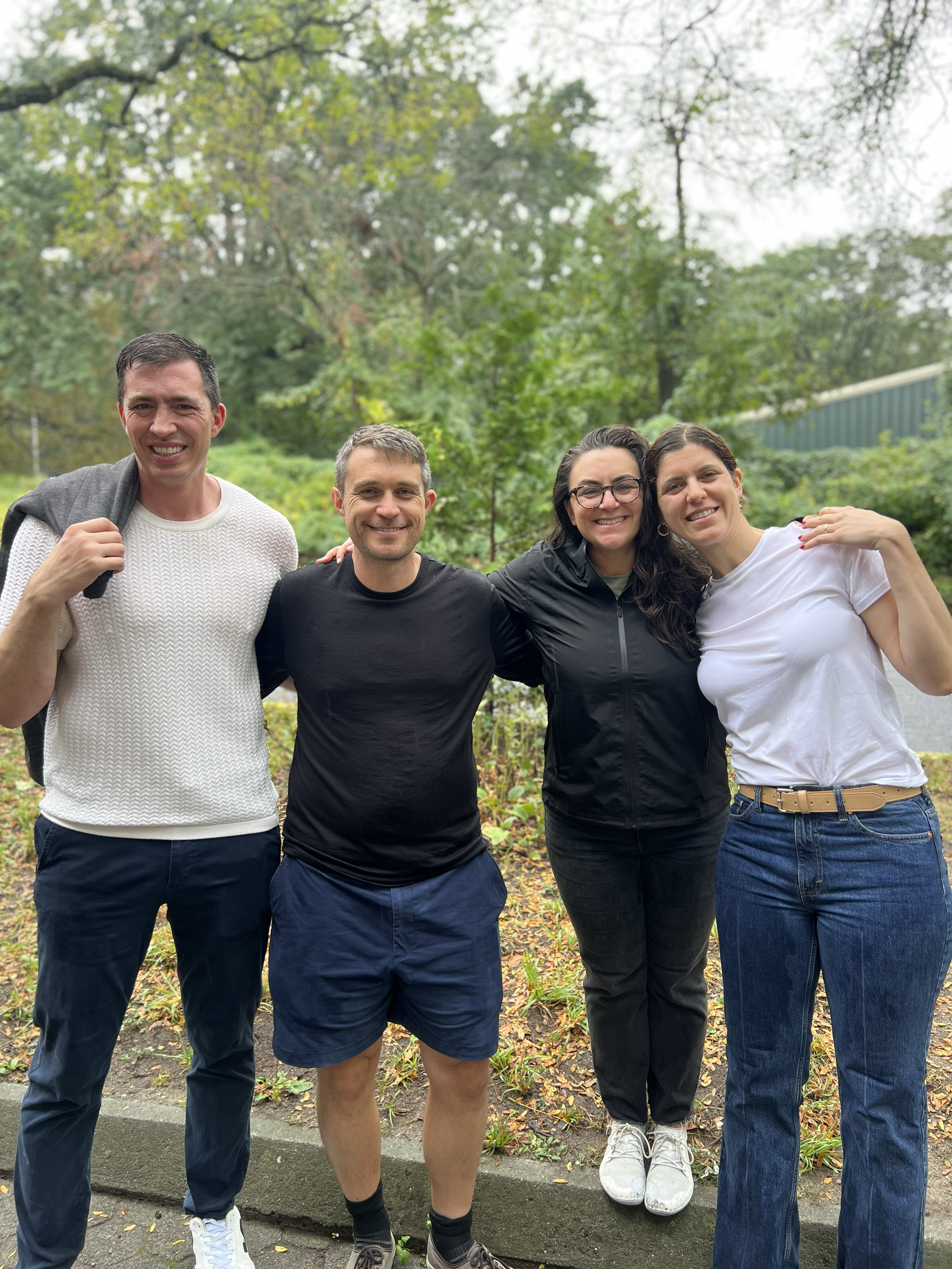
Grant, Matt, Ciara, and Florencia
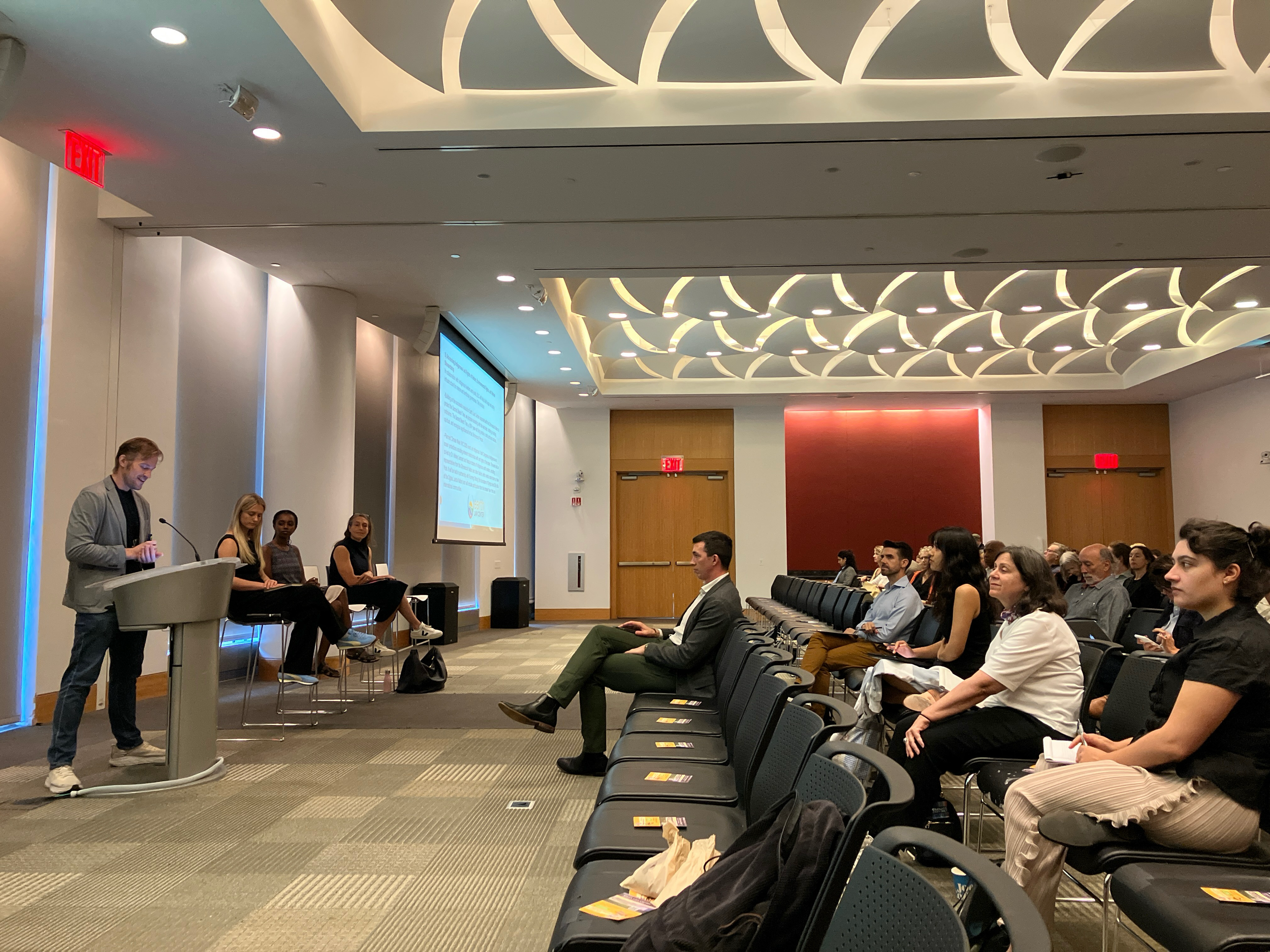
Kevin Schneider speaking at Fordham during Climate Week
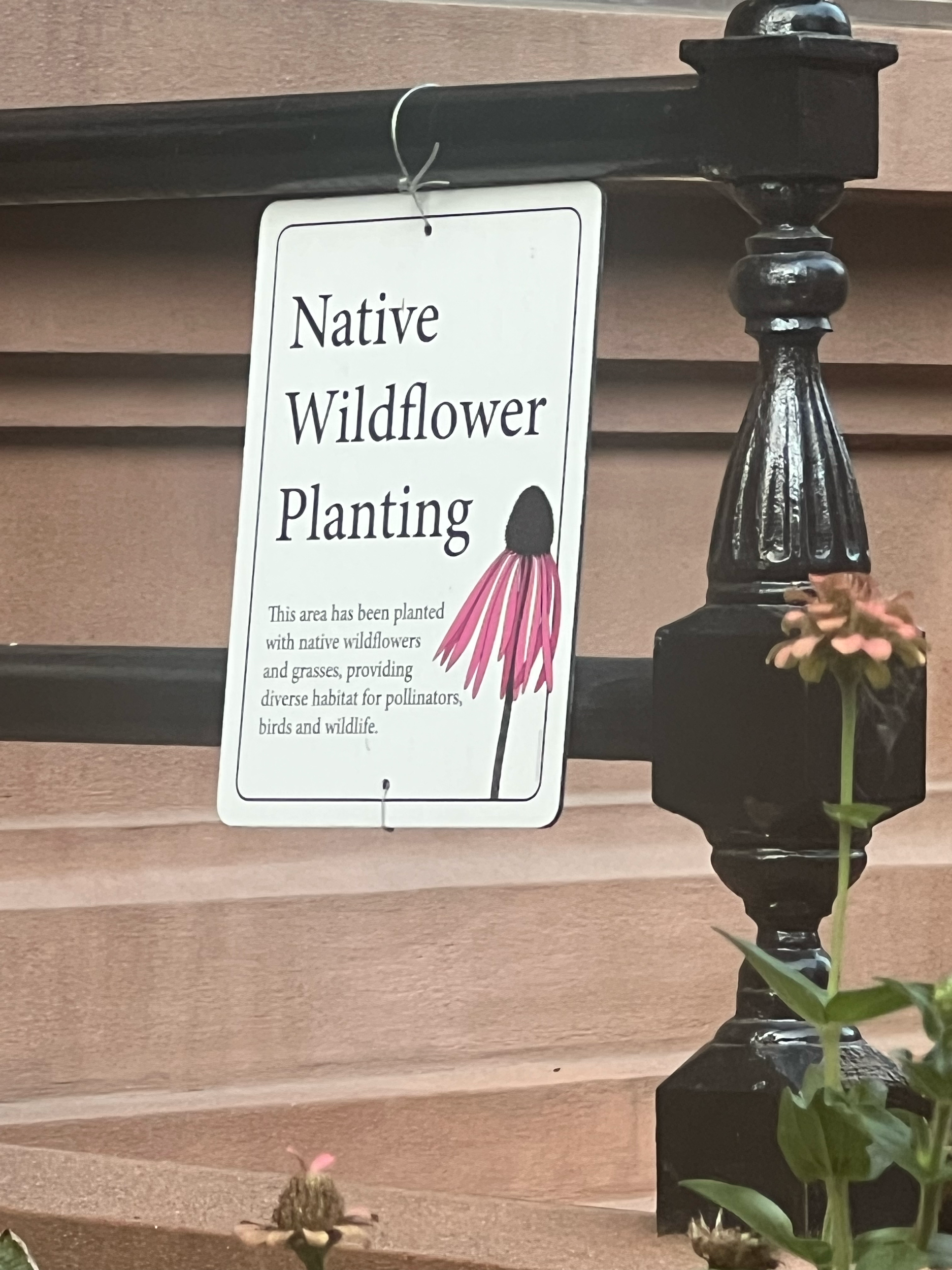
Native Wildflower Garden in NYC
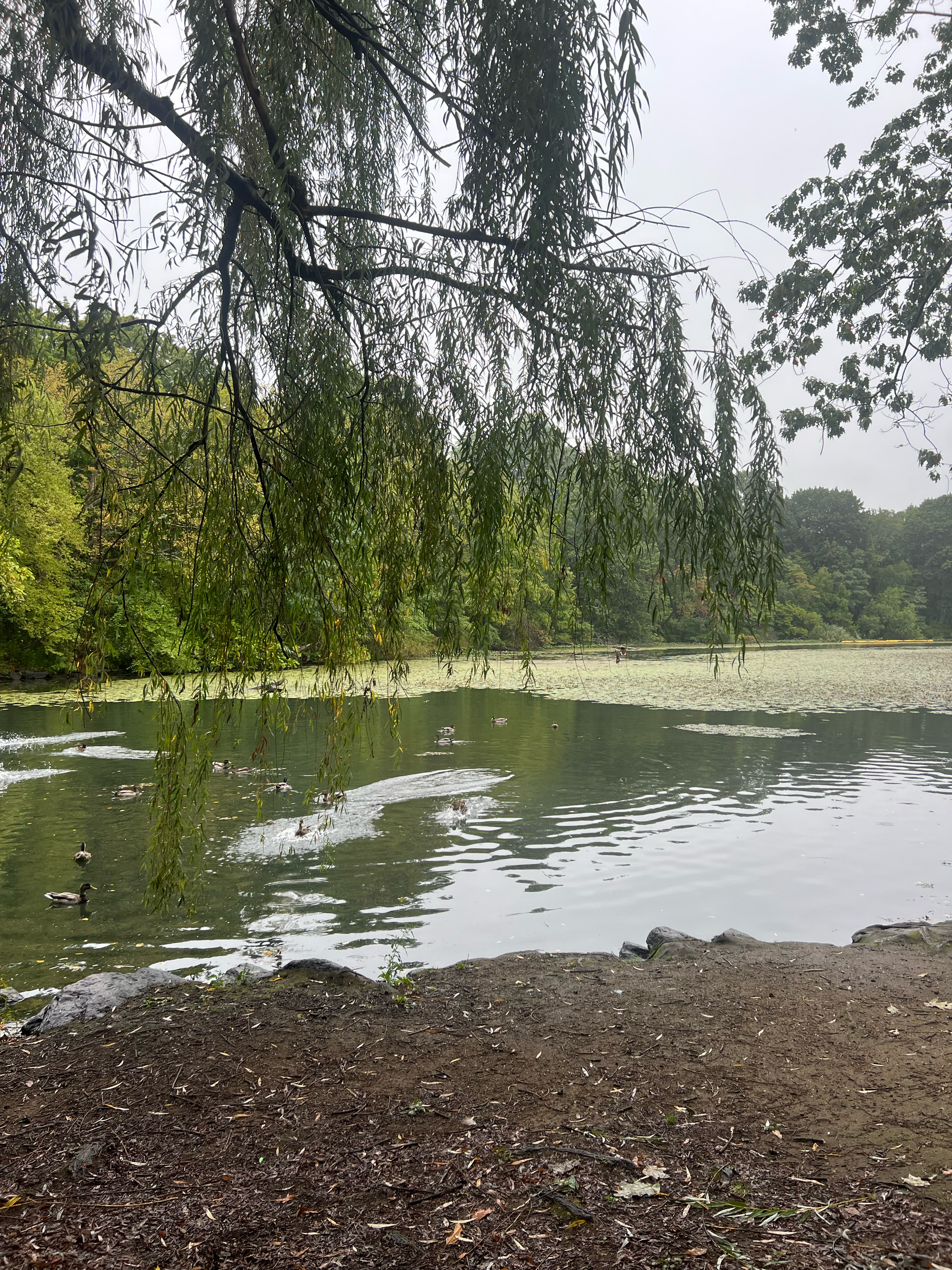
Daylighting Tibbetts Brook in the Bronx
Header Photo: Unsplash / Harry Gillen