
Steps to Integrate Earth Law into Your Career
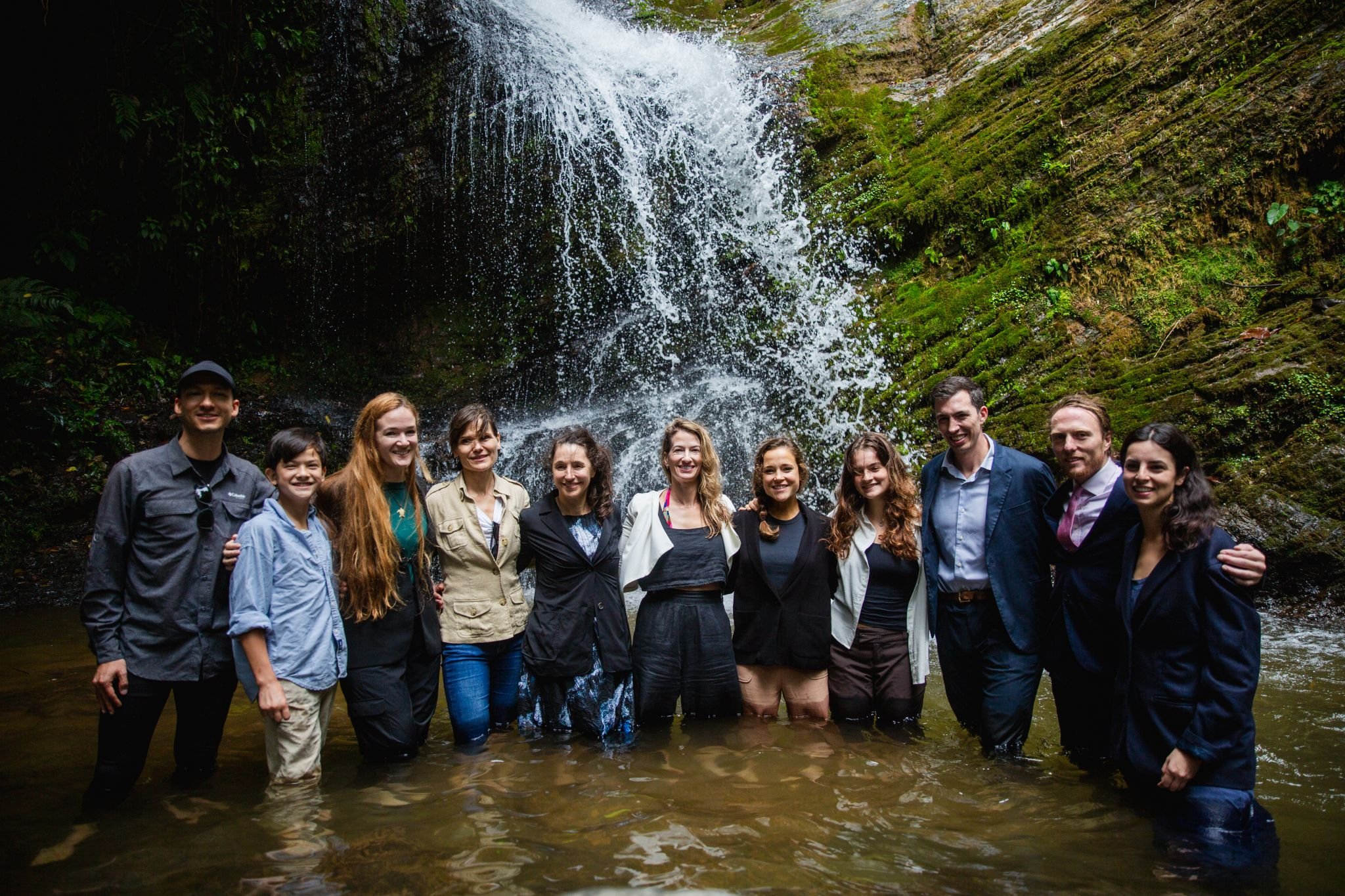
ELC staff, Board members, and friends stand in the Pance River near Cali, Colombia during the COP16 biodiversity conference.
Are you intrigued by Earth law but not sure what to do? Maybe you attended the ELC summer course, had a university lecture on the Rights of Nature (RoN), or have been doing your own research. While opportunities for full-time “Earth lawyers” are limited for now, there are many other ways to make a difference, including small steps you can take to test out integrating Earth law into your career or volunteer time.
Assess your passions and skills to uncover your role
Those in the Earth law movement see humans as woven into a complex, living, breathing web of life, and we know that what happens to that web happens to us. It is a powerful act to bring that understanding into a classroom, into a boardroom, into any project or decision we take out into the world. Earth law is not just a legal framework. It is an invitation to change how we see ourselves in relation to everything else that is alive and to invite others into that change.
Ask yourself:
Are there certain ecosystems or species I care about?
You can start at home. Example: undergraduate students at Fort Lewis College presented a resolution to the Durango City Council to give the Animas River legal rights. It was approved unanimously.
Likewise, an all-female, youth-led group organized around a Rights of Nature resolution for the Longperson river system and secured its approval by the Eastern Band of Cherokee Indians Tribal Council.
Initiatives like these require legal expertise, but they don’t succeed on legal expertise alone. Also needed are people to develop communications materials, host public events, show up at city, county, or tribal council meetings, and persist through setbacks.
How does Earth law intersect with your work?
If you’re currently working, are there opportunities to develop an Earth law initiative through your workplace?
Businesses can add someone to their board representing Nature, or at least add Earth law elements into existing policies and procedures. If you work for a nonprofit, can you make the case to integrate Rights of Nature into your projects? If you work for government, can you identify threats to Nature that should be addressed or add RoN provisions into the Comprehensive Plan? If you go this route, we recommend building allies and starting with pilot projects with a high chance of success.
What skills, assets and connections do you have?
For some newcomers to Earth law, it may feel safer or easier to explore opportunities outside of work first. If you’re a student, ask your professors if they’ve considered covering Earth law as it pertains to their field. Among the pertinent fields are law, public policy, environmental science, business administration, and international affairs.
Could you speak about an Earth law topic to a high school or college environmental class? You might consider hosting an educational film for the community or checking with a local environmental nonprofit you know if it might be interested in this approach.
Could you share ideas on social media? Do you know any influential people who might push for regional regulations? Are you or any of your contacts significant donors or grantors for environmental causes?
Resources to use
Earth Law Center has a number of resources to help you get active with Earth law, including the Earth Law Portal featuring model ordinances, informative videos, and much more. Academics may find the second edition of our textbook helpful, as it was designed to function in support of a full-semester Earth law class or as a supplement in international law, animal law, or other law classes, and it includes lesson plans. And our Earth Law Course is available both as a summer course as well as self-study.
As with many emerging fields, what Earth law currently lacks in standard professional pathways it makes up for in opportunities for creative engagement. Every person who shares a passion for Nature can find a way to participate in the movement.
Still stuck? You bring a unique set of skills, connections, and interests. So, create a diagram of them and take it with you on informational interviews. Ask where the interviewee could see you being helpful. Explore any opportunities that seem intriguing. Be sure before the end of the interview to ask for three other people you should talk to (and find out if you can use their name). And send a handwritten thank you note after the interview.