

Safeguarding Amazonian Stingless Bees,
Guardians of Biodiversity
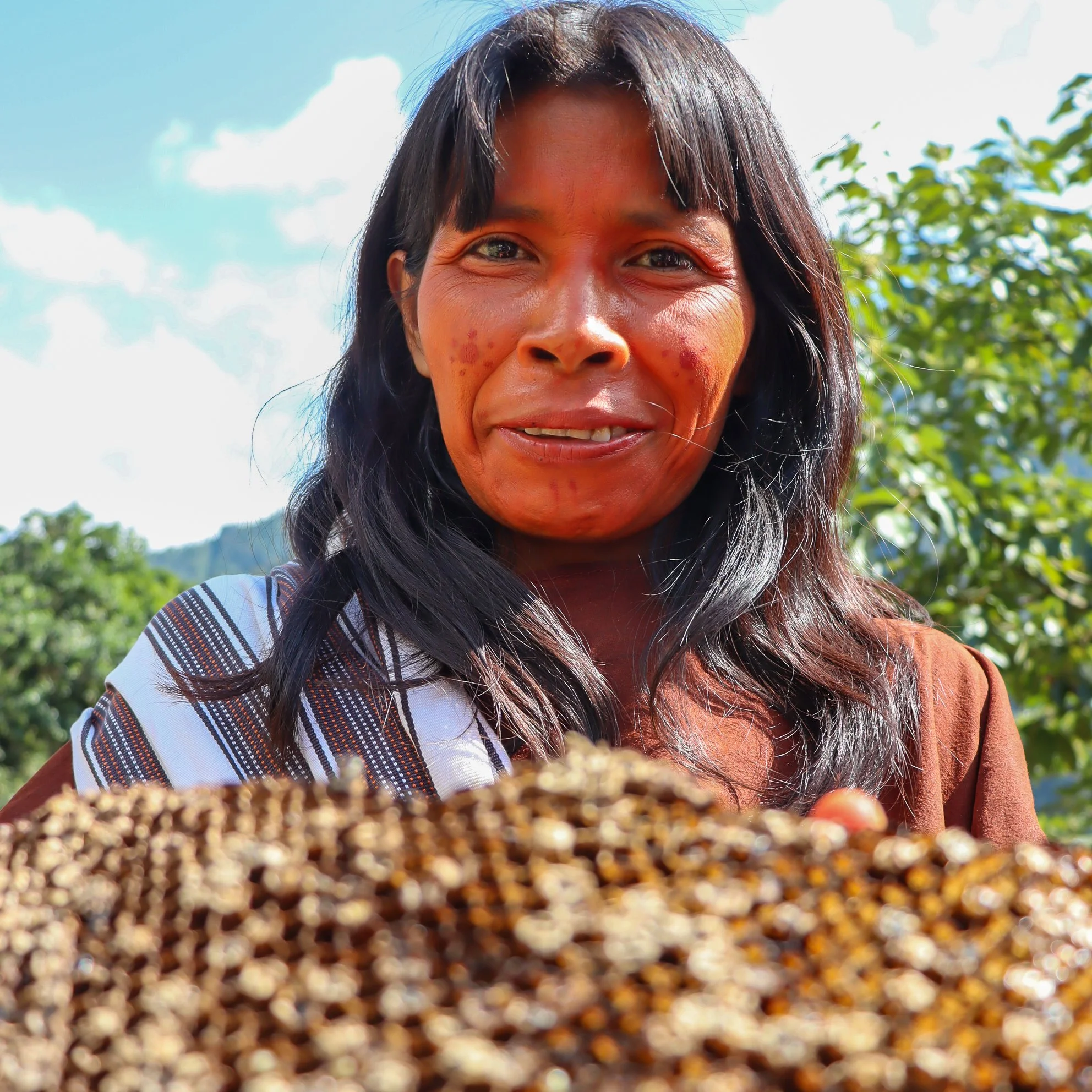

Indigenous Traditional Knowledge: Cornerstone of Amazonas Biodiversity Conservation
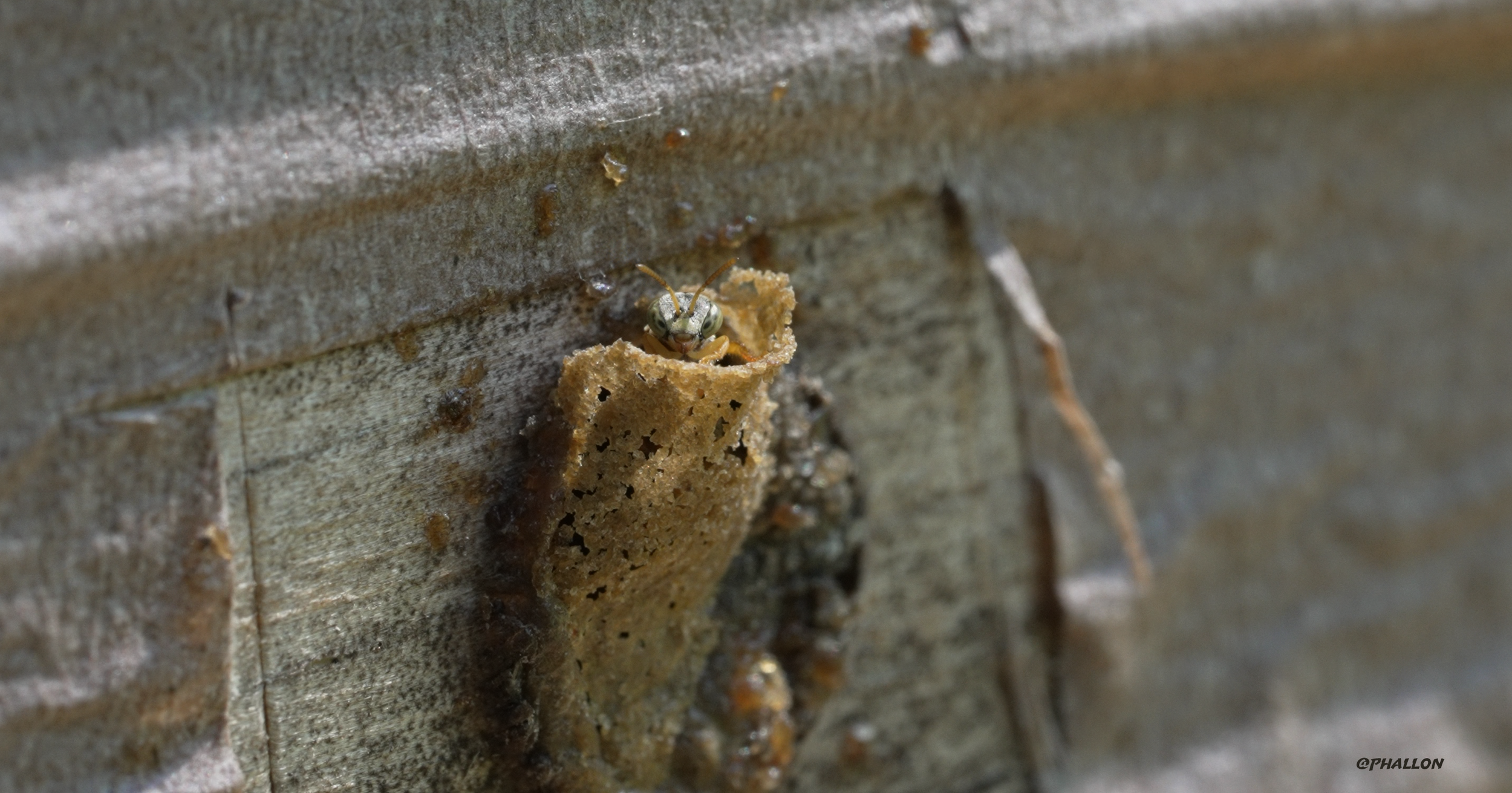
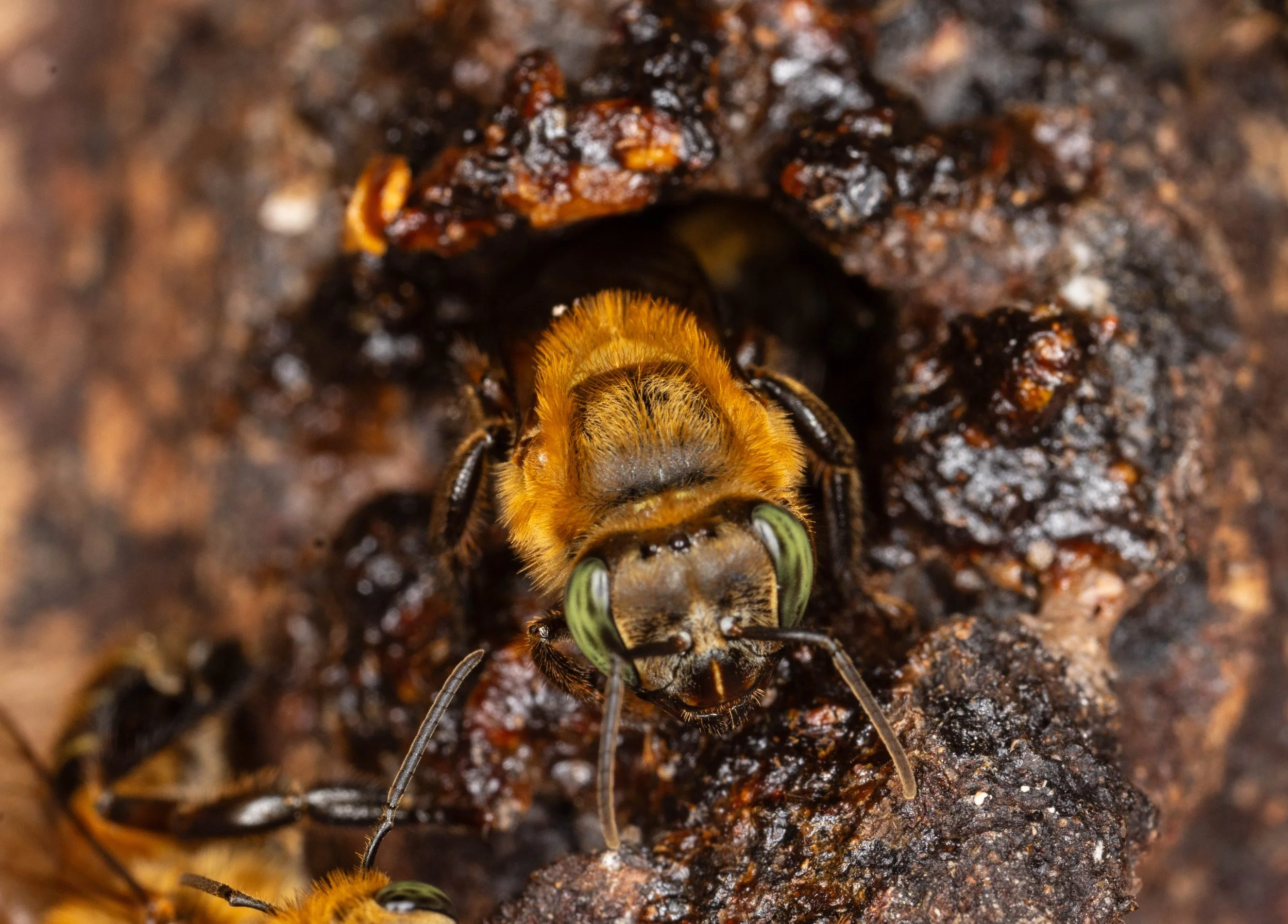
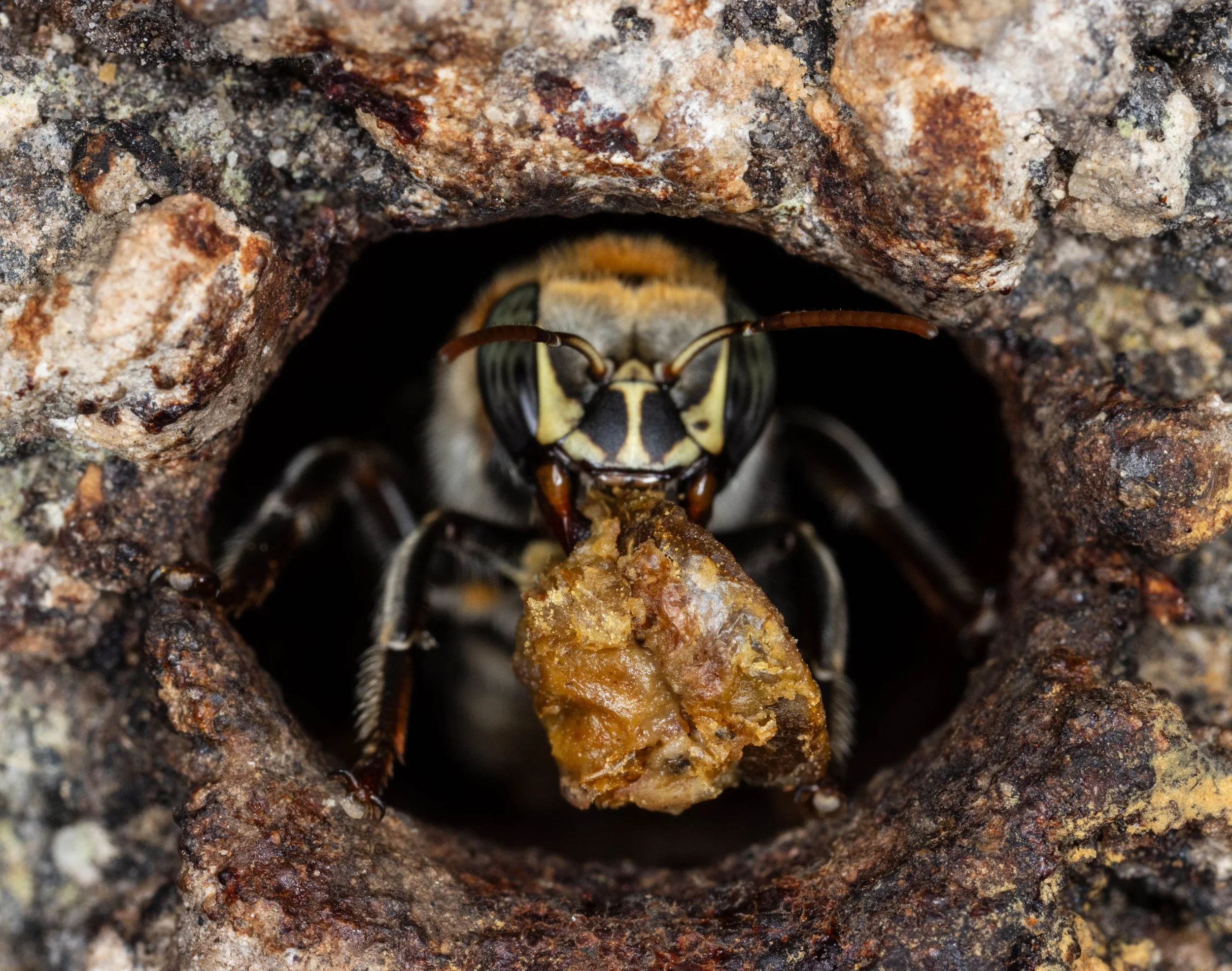
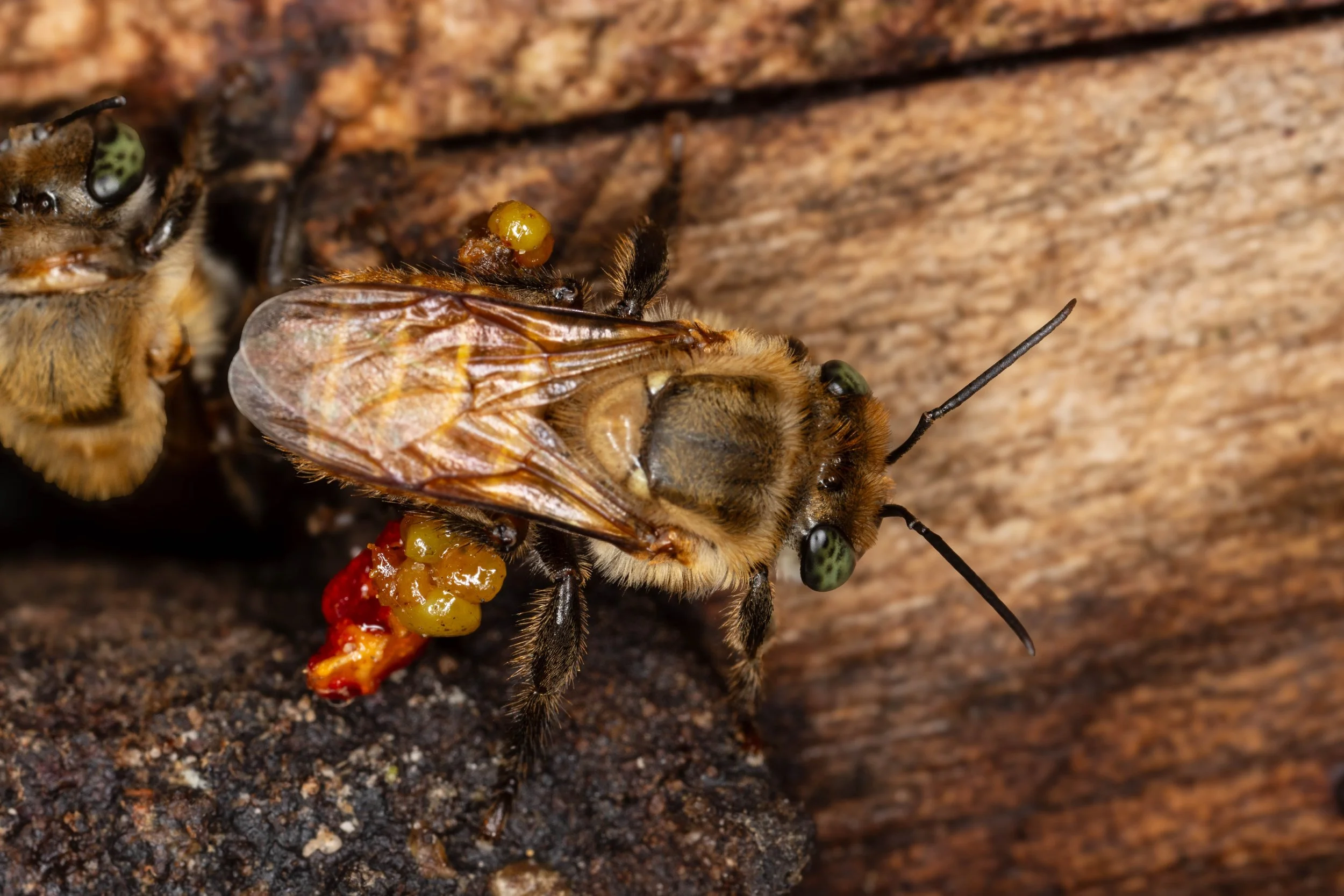
Amazonian stingless bees have been integral to ecological, social, and cultural practices among Peruvian Amazon communities for centuries. An essential part of this project is to promote the preservation of the traditional knowledge of Amazonian communities on biodiversity management.
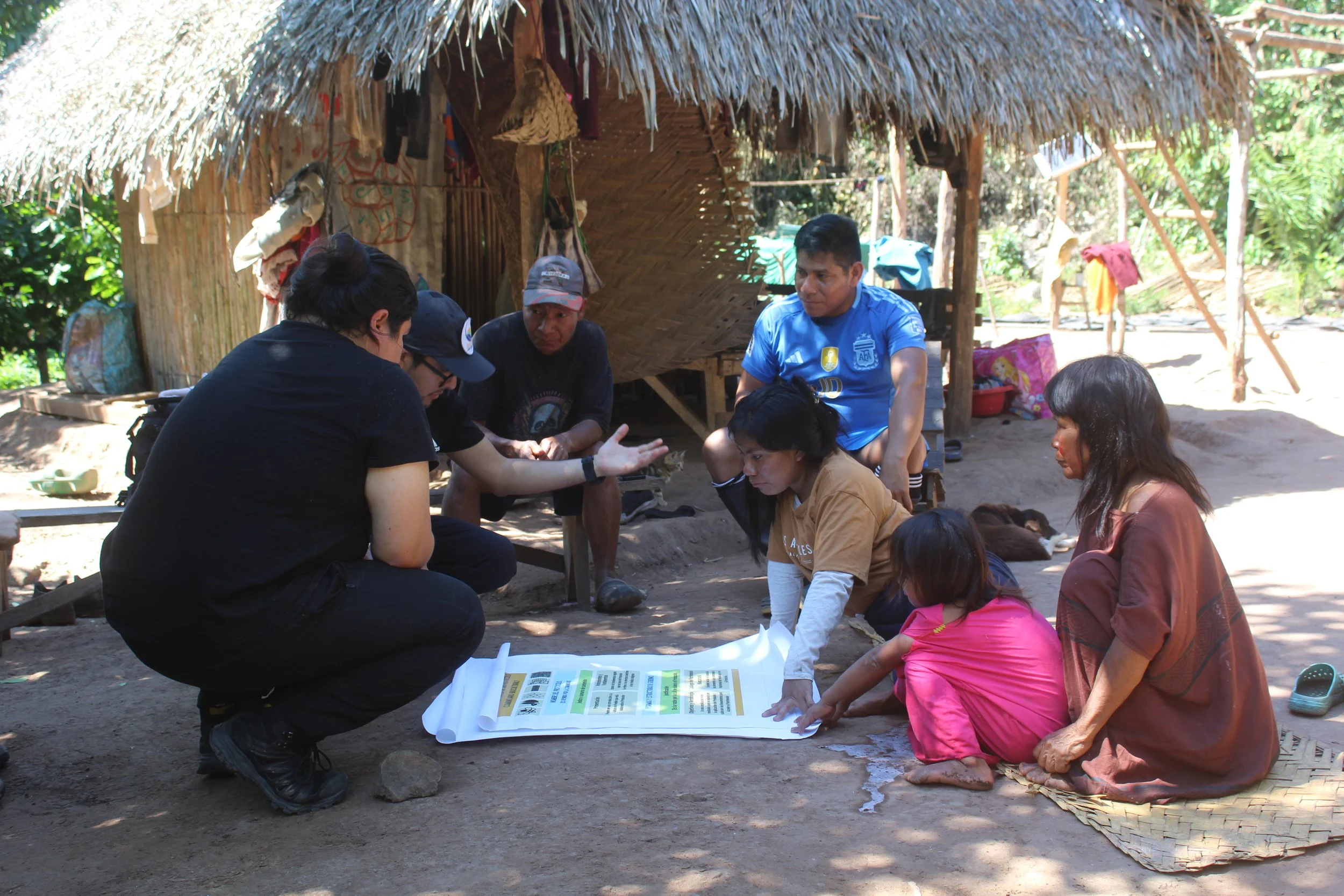
Over the past two years, Earth Law Center has actively participated in expeditions led by Amazon Research International in direct collaboration with the EcoAsháninka communal reserve and SERNANP, where activities have been carried out to map native stingless bee populations and workshops focused on the Rights of Nature and the documentation of traditional Indigenous knowledge.
In 2026, we are expanding our collaborative work to explore new pathways for elevating awareness of these native bees through art-based storytelling. This effort will be carried out in partnership with Grounded in Motion. Building on the foundational knowledge documented in our expeditions, this effort aims to translate that scientific and cultural heritage into compelling narratives for a global audience.
Building from the Ground Up:
A Community-Led Strategy for Stingless Bees
Our strategy is rooted in deep partnership with the communities who have safeguarded these species for generations. Since 2024, we planned our long-term fieldwork and engagement strategy by conducting a series of 10 workshops across more than 8 communities in Perú and Bolivia. These gatherings engaged over 150 participants, with a strong emphasis on women’s participation to ensure inclusive and diverse perspectives.
This grassroots, bottom-up collaboration is the core of our approach. Working directly with Asháninka communities in Satipo and Kukama communities in Nauta, we co-developed the Declaration of the Rights of Stingless Bees, a document rooted in Indigenous cosmovision. Together, communities and scientists played an essential role in drafting a Declaration that aligns the rights of these pollinators with the rights of Indigenous Peoples and future generations
The protection of stingless bees became a unifying bridge, connecting biodiversity conservation, Indigenous Rights, territorial governance, and sustainable livelihoods. Through intensive advocacy, this community-led vision was integrated into local policy, demonstrating that protecting nature strengthens both resilient ecosystems and living economies.
This on-the-ground work creates the foundation for legal protection. A key instrument we use and develop with communities are Biocultural Community Protocols (BCPs). These protocols empower Indigenous Communities to formally document and safeguard their traditional knowledge and governance systems, ensuring their wisdom guides environmental stewardship. In Satipo, we are collaborating directly with Asháninka communities to develop a BCP specifically to protect their ancestral knowledge on stingless bee conservation.
A New Legal Paradigm in Practice: The Recognition of Stingless Bee Rights
An essential aspect of our work is transforming the legal system. In this project, this path started contributing with Peru's landmark Law No. 32235 (2025), which formally recognizes stingless bees as a species of national interest, a national legislative milestone. It moved these pollinators from being overlooked to being recognized as pillars of biodiversity, providing a national platform for the local ordinances and community protocols that ensure their survival.
Also, our collaborative work and exchange of knowledge yielded the creation of the first-ever Declaration of Rights for Native Stingless Bees. This landmark document, created in a close collaboration between EcoAsháninka, Amazon Research Internacional and Earth Law Center, recognizes the inherent rights of these pollinators, including their right to exist, to maintain healthy populations, to restore their habitats, and to live in a pollution-free environment, among others.
In a groundbreaking move, the provincial municipality of Satipo adopted the pioneering Declaration of Rights for Native Stingless Bees through the municipal ordinance N° 33-2025-CM/MPS. This action not only integrated the Declaration into local law but also established a vital precedent for other regions. Following this lead, the Municipality of Nauta in the Loreto region has become the second local government in Peru to legally uphold the rights of these native pollinators through the ordinance N°17-2025-MPL-N.
These landmark achievements are the direct result of sustained, on-the-ground advocacy and knowledge exchange with Indigenous Communities and local partners. By formally recognizing stingless bees as subjects of rights, these laws bring them out of legal invisibility and establish a binding mandate for their protection. This compels the development of concrete public policies, from habitat restoration to pesticide regulation, grounded in the precautionary principle. With these pioneering steps, Peru is emerging as a regional leader in pollinator protection, setting a crucial precedent for other communities to replicate this model of biocultural governance.
Partners








Additional resources on the Stingless Bees
-
-
-
Perú's Bee Law reform (No. 32235) (Spanish)
-
-
-
-
-
-
-
Press Article on bees expedition 2025 (English)
-
-
-

Header Photo: Unsplash / Madeline Hogan; Footer Photo: Unsplash / Hans Luiggi